


- Admin
- Jan 18, 2026
- News
Mario and Sonic Join the Olympic Games Adventure
When Mario and Sonic first appeared together in Mario & Sonic at the Olympic Games, it wasn’t just another crossover—it was a moment that symbolized a major shift in the gaming industry. For decades, Nintendo’s Mario and Sega’s Sonic the Hedgehog represented fierce competition. Their companies were rivals, their mascots iconic opposites, and the idea of seeing them in the same game once felt impossible. Yet in 2007, that barrier finally broke, and the Olympic Games became the unlikely stage for one of gaming’s most historic collaborations.
From Rivals to Teammates
The journey toward Mario and Sonic at the Olympic Games reflects how much the gaming landscape had changed. As Sega transitioned away from console hardware and focused on software development, its relationship with Nintendo became increasingly collaborative. This paved the way for a joint project that once seemed unthinkable.
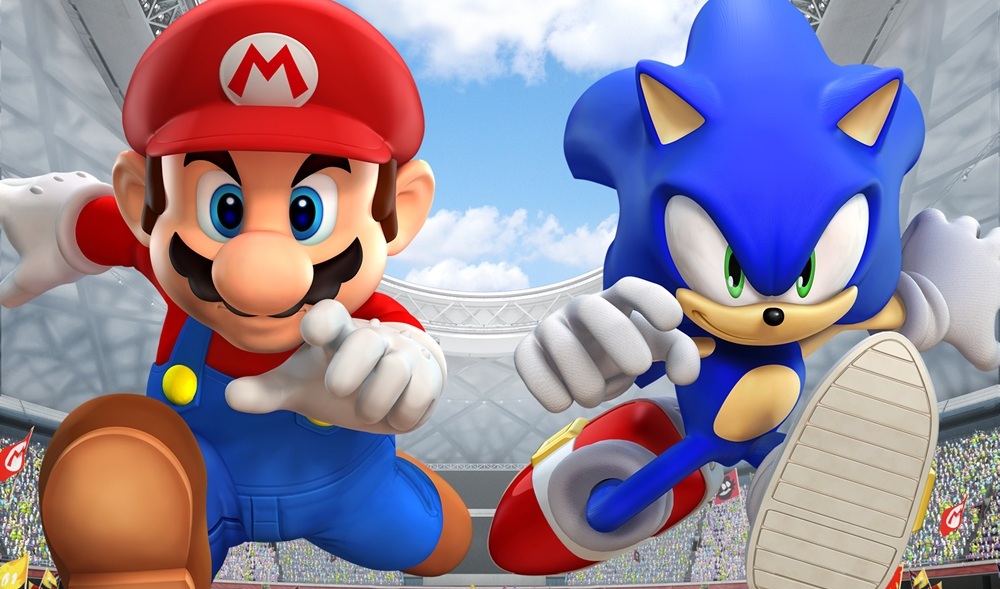
Interestingly, traces of the old rivalry still lingered. According to former Sega producer Ryoichi Hasegawa, Nintendo famously requested a small but symbolic change to the game’s key art: Mario’s foot had to be placed slightly ahead of Sonic’s. The implication was subtle but clear—Mario was still winning the race. As Hasegawa jokingly noted, “we have to change it, or there’ll be no deal.” Even so, the game’s release marked a new era of cooperation between the two companies.
The Wii Era and Olympic Motion Controls
The original Mario & Sonic at the Olympic Games launched during the height of the Nintendo Wii’s popularity, and motion controls were central to its design. Players used the Wii Remote to simulate real Olympic events such as running, swimming, javelin throwing, and long jump. The idea was simple and appealing: turn physical movement into gameplay, much like Wii Sports.
However, the execution was a mixed bag. While the concept of “waggle to run” or “swipe to throw” felt novel at first, it could quickly become tiring or frustrating. Motion detection wasn’t always precise, and success often felt inconsistent—sometimes you’d win easily, other times you’d lose despite doing the same actions. Events like skeet shooting were particularly challenging, testing players’ patience more than their skill.
Characters Steal the Spotlight
Where the game truly shined was its roster. Players could choose from a wide range of beloved characters including Mario, Luigi, Peach, Bowser, Sonic, Tails, Knuckles, Shadow, and even Eggman. Watching these exaggerated, cartoonish characters compete in realistic Olympic sports was endlessly entertaining. Seeing Bowser sprint hurdles or Eggman awkwardly clear a high jump added humor that carried the experience.
Some events leaned more heavily into the franchises’ fantastical roots. Dream Events like Dream Race—a Mario Kart–style footrace—and Dream Platform, which involved skydiving and collecting rings, offered a refreshing break from the more grounded sports. While fun, these modes were limited in number and scope, leaving many players wishing there was more variety and depth.
A Legacy That Continued to Evolve
Despite its flaws, Mario & Sonic at the Olympic Games was successful enough to become a long-running series. Later entries refined the formula, adding better controls, more modes, and greater flexibility. By the time Mario & Sonic at the Olympic Games Tokyo 2020 arrived, players could choose between motion controls and traditional button inputs, making the game more accessible.
The Tokyo 2020 edition also leaned into nostalgia and variety. A 1964 Olympics mode and a story-driven experience gave longtime fans more substance, while the active—but not overly strenuous—gameplay appealed to fitness gamers and casual players alike. It became a popular party game, blending skill and luck in a way that worked well for groups.
More Than Just a Sports Game
At its core, mario & sonic at the olympic games has always been more about symbolism than pure gameplay excellence. It represents the idea of unity—companies, characters, and players coming together through sport. While early entries sometimes felt shallow and repetitive, the concept itself carried emotional weight for fans who grew up during the console wars.
The series may not be perfect, but its cultural impact is undeniable. It turned a once-bitter rivalry into a shared celebration and showed that even the biggest competitors can coexist on the same stage.
Conclusion
Mario and Sonic at the Olympic Games may have started as a surprising and even absurd idea, but it grew into one of gaming’s most meaningful crossovers. While the early games struggled with repetitive gameplay and inconsistent controls, the charm of seeing these legendary characters compete side by side kept players coming back. Over time, the series evolved into a flexible, social, and nostalgic experience that appeals to both casual and longtime fans. Ultimately, mario and sonic at the olympic games stands as a reminder that sometimes, the most memorable moments in gaming aren’t about perfection—but about history, collaboration, and a really good idea.
Share on