


- Admin
- Jan 16, 2025
- Fitness & Wellness
Discover how whole grains can contribute to your overall health and wellness
Whole grains have long been celebrated for their significant health benefits, making them a cornerstone of a balanced diet. Packed with nutrients, they offer a natural way to improve your overall health and wellness. Let’s explore the profound impact of whole grains and why you should incorporate them into your daily meals.
What Are Whole Grains?
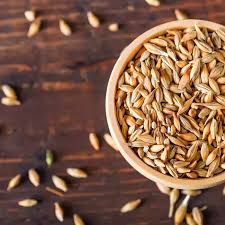
Whole grains are grains that contain all three parts of the grain kernel – the bran, germ, and endosperm. Unlike refined grains, whole grains retain these components, making them rich in fiber, vitamins, and essential nutrients. Popular examples include:
-
Brown rice
-
Quinoa
-
Oats
-
Barley
-
Whole wheat
Learn more about the types of whole grains.
Nutritional Benefits of Whole Grains
Whole grains are a powerhouse of nutrients that contribute to a healthier lifestyle. Here are some of their key benefits:
-
Rich in Fiber The high fiber content in whole grains aids digestion, helps maintain healthy cholesterol levels, and supports weight management. Discover how fiber supports digestive health.
-
Packed with Essential Nutrients Whole grains are an excellent source of vitamins B and E, magnesium, iron, and antioxidants. These nutrients help in energy production, immunity boosting, and cell repair.
-
Supports Heart Health Research indicates that eating whole grains reduces the risk of heart disease. A study from the American Heart Association highlights that individuals who consume three servings of whole grains daily experience significant cardiovascular benefits.
-
Helps in Weight Management Whole grains keep you feeling full longer, reducing unhealthy snacking. They’re a smart choice for those aiming to maintain or achieve a healthy weight. Check out more weight management tips.
-
Reduces the Risk of Chronic Diseases Regular consumption of whole grains lowers the risk of type 2 diabetes, certain cancers, and other chronic conditions. Read about whole grains and chronic disease prevention.
How to Incorporate Whole Grains into Your Diet
Making whole grains a part of your meals is simpler than you think. Here are some easy swaps:
-
Replace white rice with brown rice or quinoa.
-
Choose whole-grain bread or pasta over refined versions.
-
Opt for oatmeal or barley as breakfast staples.
-
Add whole grains like farro or bulgur to soups and salads.
Debunking Myths About Whole Grains
Despite their benefits, several myths surround whole grains. Let’s set the record straight:
-
Myth: Whole grains are difficult to cook. Fact: With modern cooking appliances like rice cookers or instant pots, preparing whole grains is quick and easy.
-
Myth: Whole grains are tasteless. Fact: Whole grains have a nutty, earthy flavor that enhances many dishes. Pair them with your favorite spices and herbs for a delightful experience.
Backed by Science
Numerous studies have proven the undeniable benefits of whole grains. According to Harvard T.H. Chan School of Public Health, individuals who consume whole grains regularly have a 16-31% lower risk of premature death.
Conclusion
Incorporating whole grains into your diet is a small change that can yield immense health rewards. From improving digestion to reducing the risk of chronic diseases, whole grains are a natural way to boost your wellness journey. Start making smarter dietary choices today and reap the benefits of whole grains.
Share on