


- Admin
- Jan 11, 2025
- Business Growth
5 Ways Smart Kitchen Technology is Revolutionizing the Food Industry" Explore smart kitchen gadgets and software that streamline operations and improve customer service.
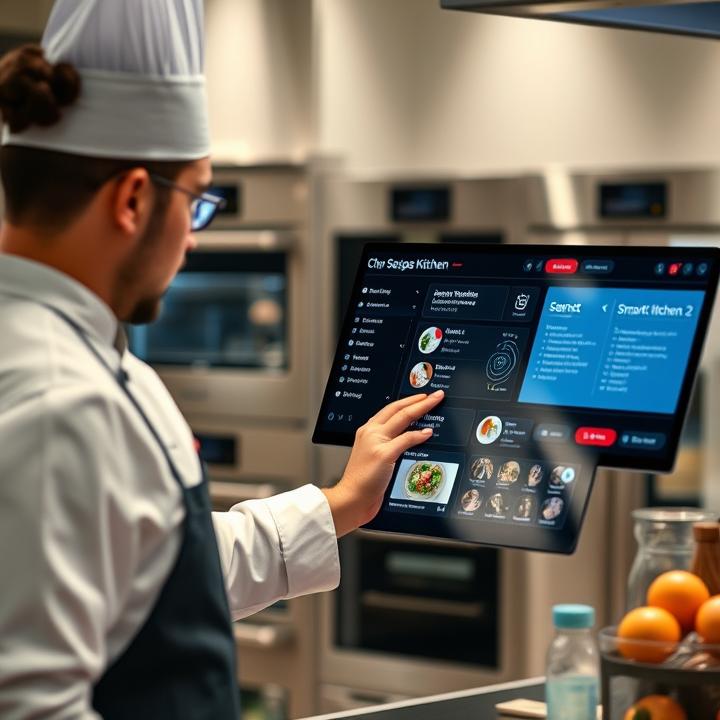
The food industry is constantly evolving, and with the rise of smart technology, kitchens are becoming more efficient, sustainable, and customer-focused. From advanced gadgets to intelligent software, smart kitchen technology is transforming how restaurants and food businesses operate. Here are five key ways smart kitchen technology is revolutionizing the food industry.
1. Enhanced Operational Efficiency
Smart kitchen gadgets and software are streamlining day-to-day operations, saving time and reducing human error. Automation tools such as smart ovens, robotic arms, and AI-driven fryers can handle repetitive tasks with precision, allowing staff to focus on creativity and customer interaction.
Key Examples:
-
Smart Ovens: These ovens come with pre-programmed cooking settings and sensors that adjust temperature and timing for perfect results every time.
-
Automated Food Prep Systems: Robotic systems can chop, dice, or even assemble dishes, speeding up food preparation.
-
Inventory Management Software: Tools like BlueCart and Kitchen CUT track inventory levels in real-time, ensuring ingredients are always stocked and minimizing waste.
By integrating these technologies, restaurants can reduce costs and improve overall efficiency.
2. Improved Food Safety and Quality Control
Maintaining food safety and consistent quality is critical in the food industry. Smart technology provides tools that monitor and manage these aspects effectively.
How It Helps:
-
Temperature Monitoring Sensors: Devices like smart thermometers and refrigerators send alerts if temperatures fall outside safe ranges, preventing spoilage.
-
IoT Devices for Hygiene: Smart sinks and soap dispensers ensure proper handwashing by tracking usage and providing feedback.
-
AI-Powered Quality Checkers: Systems like hyperspectral imaging analyze food quality, detecting issues like contamination or spoilage before the food reaches customers.
These innovations give restaurant owners peace of mind while building trust with their customers.
3. Sustainability Through Smart Solutions
With growing awareness of environmental issues, smart kitchen technology is helping the food industry reduce waste and energy consumption.
Sustainable Innovations:
-
Food Waste Trackers: Devices like Winnow Vision use AI to identify food waste patterns, helping kitchens minimize leftovers and optimize portion sizes.
-
Energy-Efficient Appliances: Smart stoves and dishwashers use sensors to adjust energy and water usage, lowering utility bills and reducing environmental impact.
-
Composting and Recycling Systems: Automated systems sort waste into compostable and recyclable categories, promoting eco-friendly practices.
Adopting these technologies not only benefits the planet but also enhances a restaurant’s reputation as a socially responsible business.
4. Personalized Customer Experiences
Smart kitchen technology isn’t just about improving operations; it’s also transforming the customer experience. By leveraging data and automation, restaurants can tailor their services to meet individual preferences.
Examples:
-
Customizable Orders: Smart POS systems allow customers to personalize their meals through interactive menus, ensuring their dietary needs and taste preferences are met.
-
AI-Driven Menu Recommendations: Algorithms analyze customer data to suggest dishes based on previous orders or popular trends.
-
Smart Tables and Ordering Systems: Interactive tables with touch screens let diners place orders, watch their food being prepared, and pay without waiting for staff.
These technologies create a seamless and memorable dining experience, encouraging repeat visits and positive reviews.
5. Data-Driven Decision Making
The integration of smart technology in kitchens generates valuable data that can be analyzed to make informed decisions about menu planning, staffing, and marketing strategies.
Benefits:
-
Predictive Analytics: Software like Toast and Square analyzes sales trends to forecast demand, ensuring optimal staffing and inventory levels.
-
Customer Insights: Data from loyalty programs and online reviews can help restaurants understand their audience better and tailor their offerings accordingly.
-
Performance Tracking: Smart systems monitor kitchen efficiency, identifying bottlenecks and areas for improvement.
By leveraging this data, restaurants can stay competitive and adapt to changing market demands.
Conclusion
Smart kitchen technology is reshaping the food industry, offering innovative solutions to enhance efficiency, sustainability, and customer satisfaction. Whether it’s through automated food prep, waste reduction, or personalized dining experiences, these advancements are helping businesses thrive in an increasingly competitive landscape. As technology continues to evolve, embracing these tools will be key to staying ahead and delivering exceptional service in the food industry.
Share on